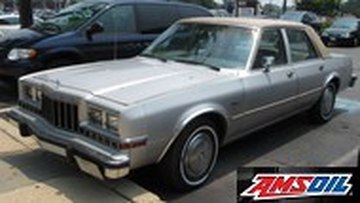
Maintenance Guidance for the 1983 Dodge Diplomat
Maintaining an older vehicle requires consistent attention to fluid levels and component health to ensure continued operation. For owners of a 1983 Dodge Diplomat with the 3.7L engine, following specific fluid guidelines is a fundamental part of routine care.
What transmission fluid is listed for my 1983 Dodge DIPLOMAT 3.7L?
The following products are listed for this vehicle: ATFPK-EA — Signature Series Multi-Vehicle Synthetic Automatic Transmission Fluid and OTFQT-EA — OE Multi-Vehicle Synthetic Automatic Transmission Fluid.
Engine Oil Maintenance Fundamentals
The engine is the heart of your vehicle, and regular oil changes are essential for its longevity. Engine oil serves several critical functions: it lubricates moving parts to reduce friction, helps cool internal components by carrying heat away from the combustion area, and cleans the engine by suspending contaminants in suspension. Over time, oil breaks down due to thermal stress and accumulates impurities such as carbon deposits and moisture.
To maintain proper engine health, you should monitor your oil level regularly using the dipstick. If the oil appears excessively dark or gritty, it may be time for a change. Always consult your owner's manual or the manufacturer's maintenance schedule to determine the correct intervals for service. Consistent adherence to these schedules helps prevent premature wear on internal engine components.
Understanding Engine Oil Viscosity
Viscosity refers to a fluid's resistance to flow. An oil that is too thick may not reach critical engine components quickly enough during a cold start, while an oil that is too thin may not provide an adequate protective film under high operating temperatures. For this specific 1983 Dodge Diplomat application, the database allows for 10W-30 engine oil.
Using the correct viscosity helps ensure that the lubrication film remains stable across various operating conditions. When selecting a replacement, ensuring the grade matches what is specified for your vehicle is a key step in routine maintenance.
Monitoring Fluid Levels and Condition
Beyond engine oil, several other fluids play vital roles in vehicle operation. Regularly checking levels can help identify potential leaks or consumption issues before they lead to mechanical failure. While transmission fluid is critical for gear changes, other systems such as the cooling system and braking system also require periodic inspection.
When checking fluids, perform the task on level ground. For engine oil, this typically involves waiting a few minutes after the engine has been running to allow the oil to settle in the pan. For transmission fluid, follow the specific procedure outlined in your documentation, as some vehicles require the engine to be idling while checking the level.
The Importance of Cleanliness in Maintenance
When performing any fluid service, cleanliness is paramount. Even small amounts of dirt, dust, or debris introduced into the engine or transmission during a refill can cause significant damage. Contaminants can act as abrasives, scoring metal surfaces and clogging narrow passages within the lubrication system.
Always use clean funnels and ensure that the area around the fill cap is wiped down before opening it. When replacing filters, ensure the new component is handled carefully to avoid transferring debris into the system. Maintaining a clean workspace and using clean tools is a simple but effective way to extend the life of your vehicle's mechanical systems.
General Vehicle Care and Inspection
A comprehensive maintenance approach includes more than just fluid changes. It involves regular visual inspections of various components. Check hoses for cracks or signs of swelling, inspect belts for fraying, and look for any signs of weeping or leaking around gaskets and seals. Identifying these issues early can prevent more costly repairs in the future.
Keeping a record of when services are performed is also beneficial. Documenting the date and mileage of every oil change and fluid service helps you stay on track with the manufacturer's recommended maintenance schedule and provides a history of the vehicle's upkeep.
BUYING ENGINE OIL
When you are ready to purchase engine oil, focus on selecting the correct viscosity for your 1983 Dodge Diplomat. Ensure that any product you choose meets the requirements specified in your documentation. It is helpful to check the labels of available products to confirm they match the 10W-30 grade allowed for this application. Purchasing oil from reputable retailers ensures you are getting a product that adheres to standard manufacturing quality.